Analiza Insider, Smart Home
Smart device makers must report exploited vulnerabilities in the EU. The first Cyber Resilience Act obligation is already in force
Since September 11, 2026, severe incidents and actively exploited vulnerabilities are reported through ENISA's single platform. The rest of the regulation applies from December 2027.
Pe scurt
- The reporting obligation applies from September 11, 2026 to all products with digital elements on the EU market
- Reports go through ENISA's single platform, operational since the same date
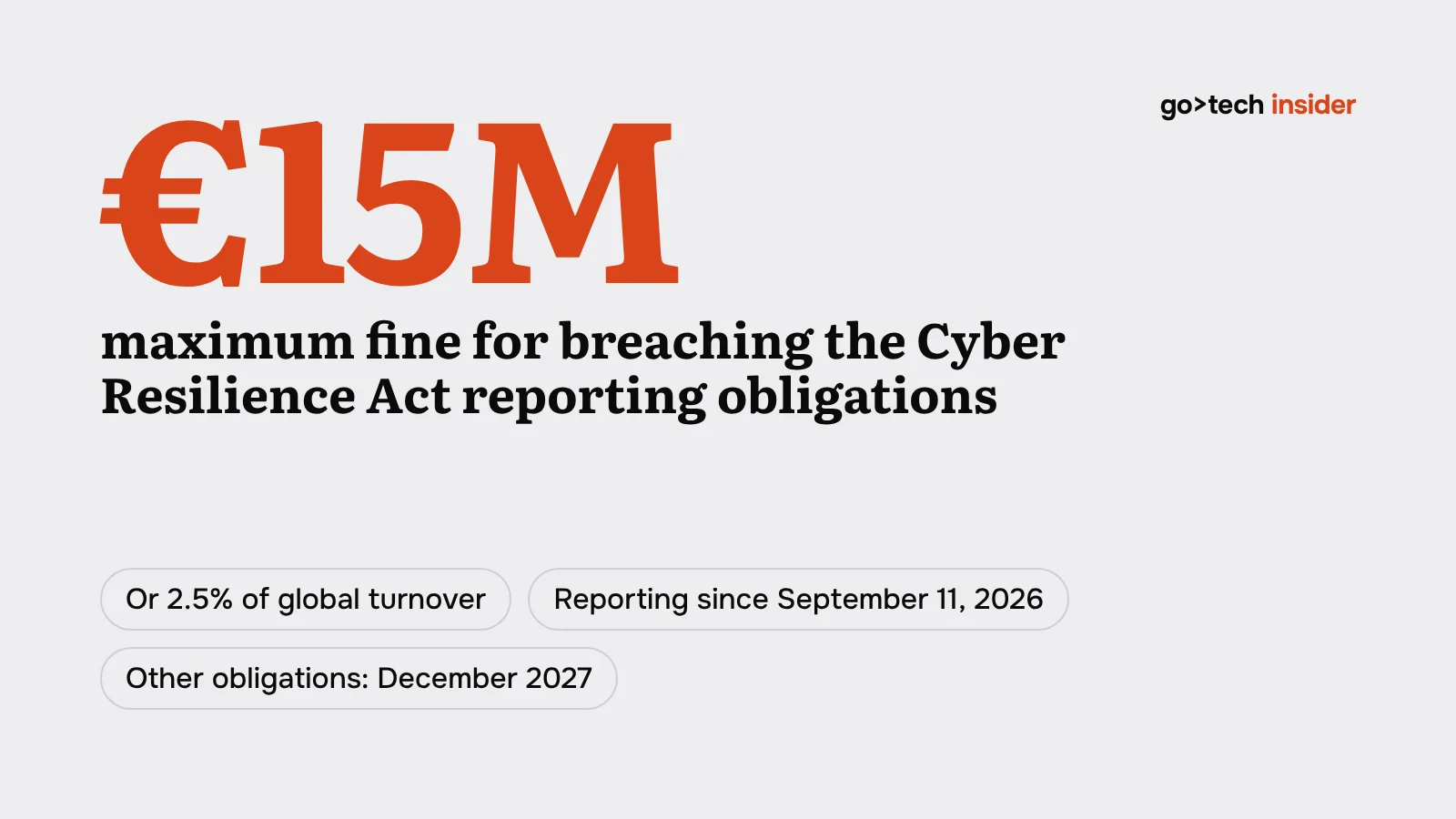
- Fines can reach 15 million euros or 2.5% of global turnover
The EU Cyber Resilience Act entered into force in December 2024 and applies in full from December 11, 2027. One part became mandatory earlier: since September 11, 2026, makers of products with digital elements must report actively exploited vulnerabilities and severe incidents affecting the security of their products.
The obligation also covers products placed on the market before that date. In the smart home, that means cameras, locks, video doorbells, routers, thermostats, hubs and the apps that control them. Reports are filed through the single reporting platform of ENISA, the EU cybersecurity agency, which also became operational on September 11.
Breaching the reporting obligations can lead to fines of up to 15 million euros or 2.5% of global annual turnover, whichever is higher, according to legal analyses of the regulation. An ENISA survey cited by the trade press found that 66% of responding SMEs had heard of the regulation, but one in five did not know whether it applied to them.
The other obligations, including security-by-design requirements, updates for the product's lifetime and the software bill of materials, become mandatory from December 2027.
De ce contează
For Romanian makers and developers of IoT devices and control apps, the CRA turns vulnerability management from an internal process into a legal obligation with deadlines and fines. For buyers, it is the first legal guarantee that a maker cannot hide an exploited flaw.
Unghiul Insider
Reporting is the easy part. The hard part comes in 2027, when makers will have to provide security updates for the full declared lifetime of the product. That will push some very cheap, unsupported devices off the market, exactly the category that has made the smart home vulnerable so far.